Table of Contents
After writing about the first episode of Stranger Things Season 5, I knew the second episode would decide something important for me. Episode 1 was imperfect but promising. Episode 2, however, is where my patience genuinely started thinning.
And let me say this upfront: I did not like this episode. Not at all.
Not because nothing happens. A lot happens.
But because something fundamental feels off, and Episode 2 makes that problem impossible to ignore.
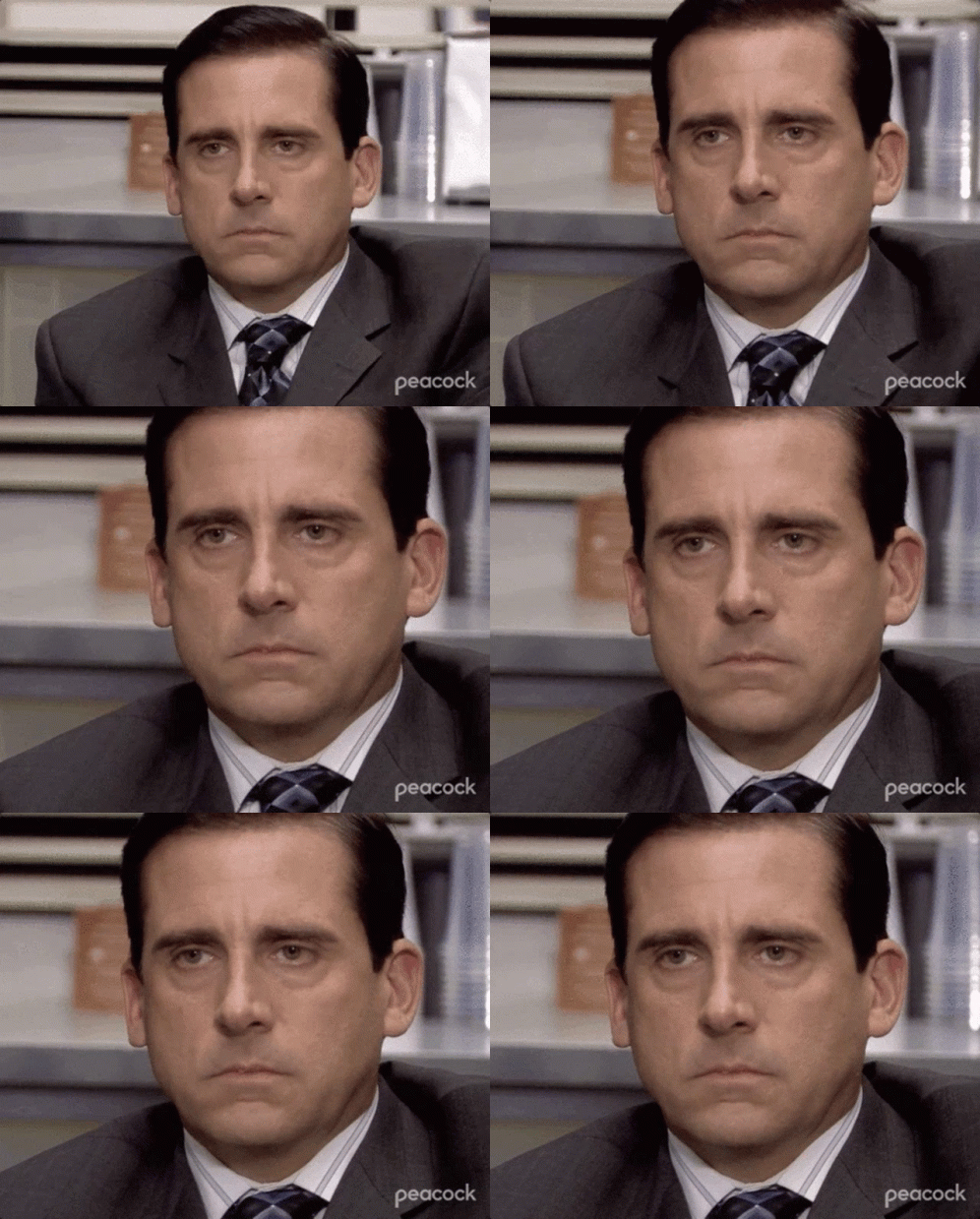
I feel like the reason Stranger Things season 5 didn’t hit well with audience because of its lackadaisical writing in a few places. For example, the kids are no longer kids. They’re grown, bruised, battle-hardened adults who have seen literal hell. And yet, their emotional arcs feel frozen in time. It’s been years since Hawkins broke open. So why does everyone still behave like they’re stuck in the same teenage phase emotionally, mentally, socially?
The second episode of season 5 accidentally exposes that flaw more than any monster ever could.
The Disappearance of Holly: Horror Done Right, Emotion Done Wrong
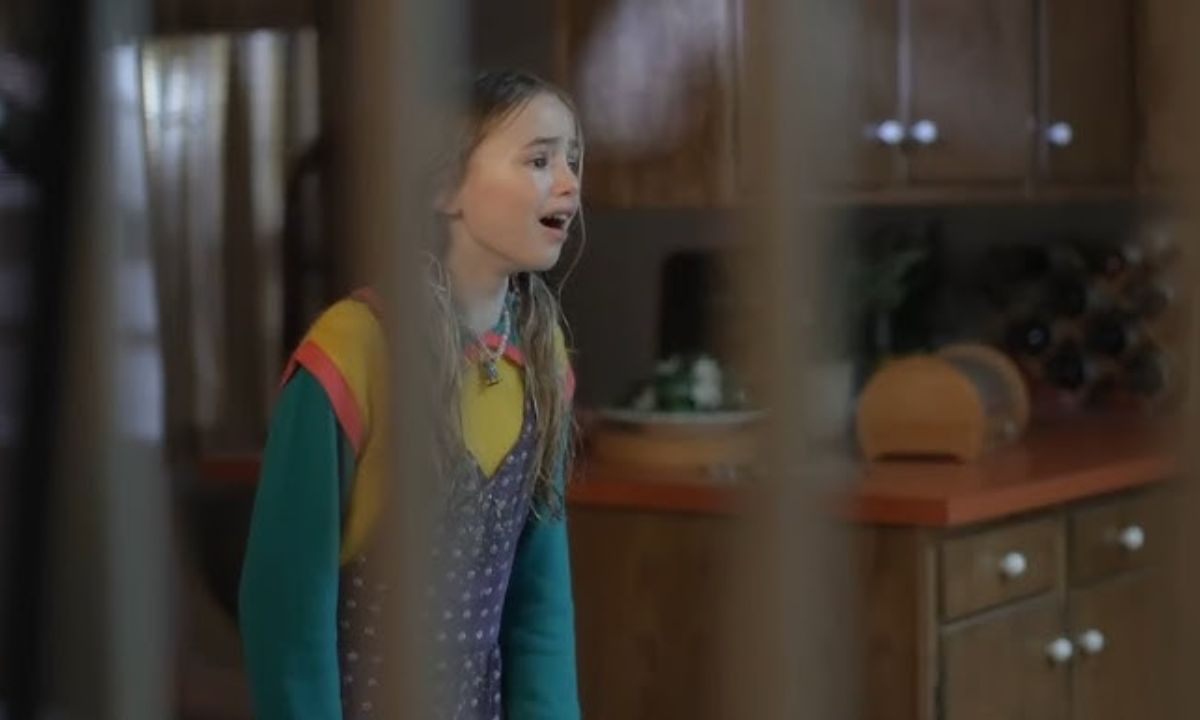
The episode opens strong. Holly disappearing while fighting alongside her mother is unsettling in a quiet, domestic way. No screaming yet. No chaos. Just tension crawling up your spine. This is classic Stranger Things horror. Small, intimate, cruel.
But then something odd happens.
Nancy barely reacts.
Mike is chatting casually with Lucas. For a sibling duo who just lost their whole family in seconds, their stifled reaction was confounding.
I kept waiting for panic to hit the room, for grief to erupt, for fear to crack someone open. Instead, everything feels… muted. Controlled. Almost rehearsed.
It’s not that characters should be hysterical. But this level of calm feels unnatural. When horror becomes routine, the emotional stakes suffer.
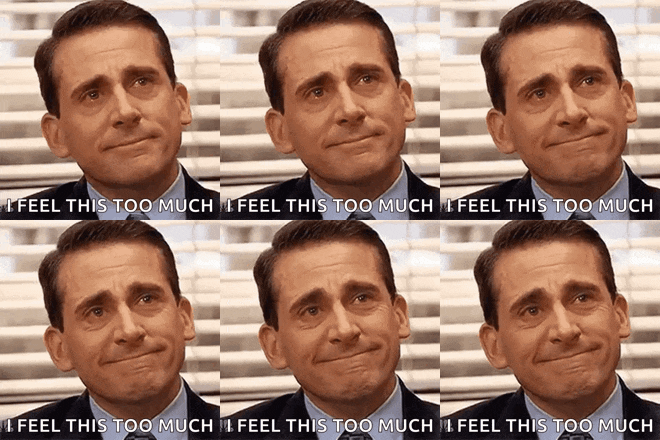
“What Are You Saying? It’s Not Vecna?” — The Show’s Own Confusion
| The second episode summarized in one dialogue is what Lucas says in the middle of the episode.“I don’t know. And neither do you.” “There are just too many questions right now.” |
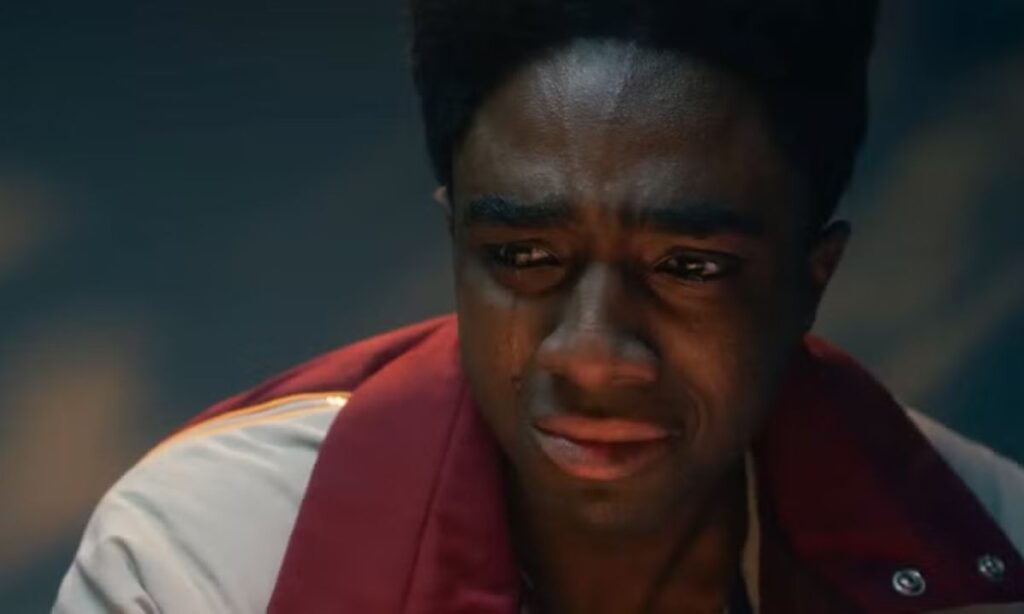
And yes, that’s the theme of Episode 2. Too many questions. Not enough emotional anchoring.
The timeline echoes Will’s kidnapping almost exactly. Three days before everything changes. That parallel is deliberate. But unlike Season 1, this time the mystery doesn’t feel fresh. It feels recycled.
We’ve seen this structure before. We know where it leads. And that familiarity dulls the impact.
Authority vs. Kids: A Tired Barrier
Police block the kids from seeing their parents. Again.
The “wretched door” imagery works visually, but narratively, it’s familiar territory. Authority figures withholding information. Kids sidelined. Adults underestimating them.
It worked in Season 1 because they were children.
Now? It just feels like a loop the show refuses to exit.
Eleven in the Upside Down: A Beautiful, Soft Moment That Doesn’t Move the Plot
Eleven searching for Holly in the Upside Down is visually compelling. But instead of finding danger, she finds Hopper. Their conversation is warm, grounding, emotionally safe.
And that’s the problem.
It doesn’t challenge either of them. We’ve seen this version of their bond many times. Comforting, but stagnant.
The mention of Max hits harder than most moments in the episode. It’s brief, but it reminds us that grief still exists — even if the show doesn’t always sit with it long enough.
Will Byers: The Human Antenna, Again
Will has another vision. Another epiphany. Another realization that he can see from the victim’s perspective. Didn’t he already know the fact that he can sense Vecna’s presence, especially when he is near which is why he touches his neck often?!
And I found myself thinking: Will, please just go back to California and live.
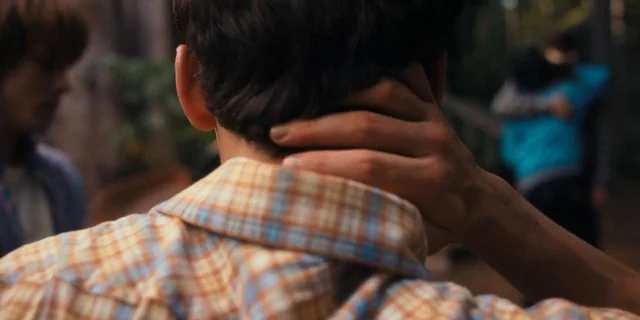
He’s exhausted. We’re exhausted. His suffering feels perpetual rather than purposeful now.
Joyce refusing to let him out of her sight is understandable. Trauma does that. But it also reinforces the sense that these characters are trapped emotionally, even as the plot pretends they’re moving forward.
Robin Buckley: Smart, Fast, Convenient
Robin shines in one specific way: connecting dots quickly. Too quickly, sometimes.
Her flux capacitor joke and spontaneous lie show her intelligence and adaptability, but also feel almost… magical. Like the writers needed a shortcut and handed it to Robin.

The Enigma machine reference is clever, historically grounded, and one of the few moments where the writing trusts the audience’s intelligence.
Steve Harrington: The Emotional Cracks Finally Show
Steve’s awkward conversation with a girl is painful in the most familiar way. He’s socially capable, emotionally mature, and still oddly alone.
His argument with Jonathan is where the episode finally wakes up.
Steve is right. Jonathan is stuck in petty relationship anxieties when the world is literally ending. Steve telling him to focus on Nancy’s happiness rather than his own jealousy is one of the most emotionally intelligent lines in the episode.
And then comes the moment that hurt the most.
Steve snapping at Dustin. Calling him by his last name.
From this,
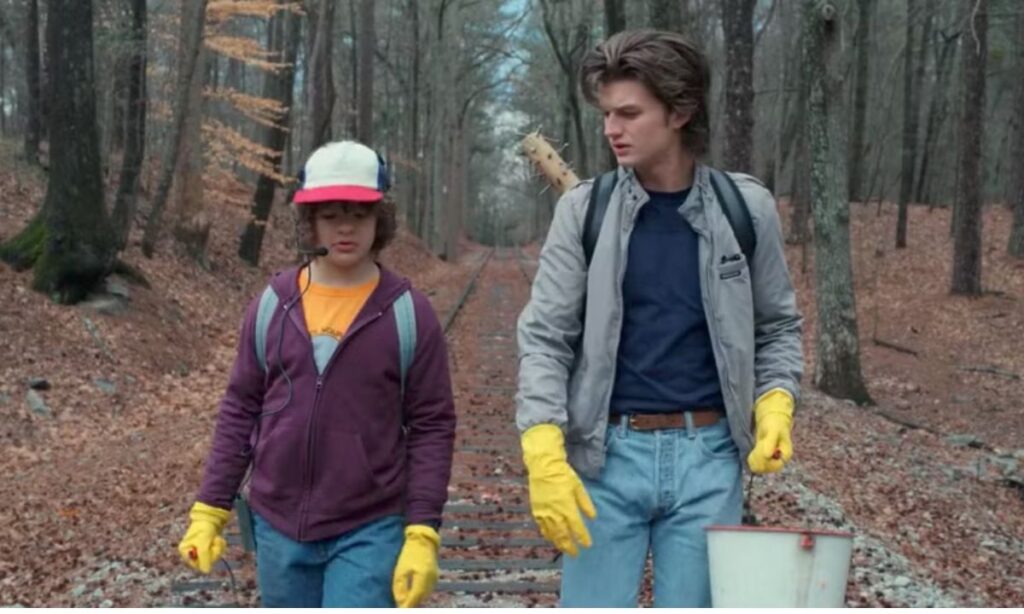
To this,
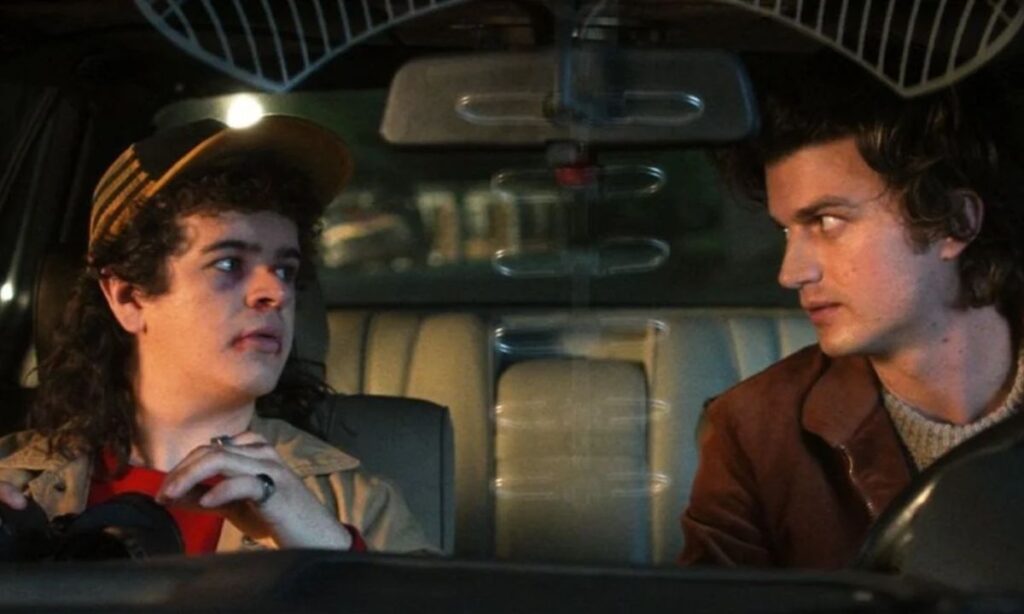
It’s such a small thing, but it lands like a slap. For years, Steve has been “the mom” of the group. And now, for the first time, he behaves like a parent who is angry, scared, and hurt — blaming the kid for not listening, for ignoring warnings, for not being careful enough.
It’s raw. It’s ugly. And it’s real.
Those three guys in the car? And how the tension could’ve been cut with a knife.
Steve choosing Jonathan over Dustin in that moment says more than dialogue ever could. It’s not rejection — it’s exhaustion.
Mike, Nancy, and Emotional Detachment
Mike not knowing what his sister reads is… concerning.
Nancy and Mike talking to their mother feels scripted, almost mechanical.
If I saw my mother in that condition, I’d be unraveling. But the scene plays restrained, distant, oddly composed.
Again, it feels like emotional beats are being checked off instead of lived.
Hopper: Wisdom, Guilt, and a Harsh Line
Hopper was right about the car. He warned Eleven. She got caught anyway.
His line about his daughter — her bravery, her death — is heartbreaking. But calling Eleven a “stubborn punk ass”? Directed at someone who functions as a daughter?
It felt unnecessarily harsh, even for Hopper.
Mr. Whatsit, Hallucinations, and Missed Reactions
This one genuinely annoyed me.
How does a brother not worry when his sister is talking to someone who isn’t there?
How does that not ring alarm bells in a town haunted by supernatural trauma?
It feels like a glaring character logic gap.
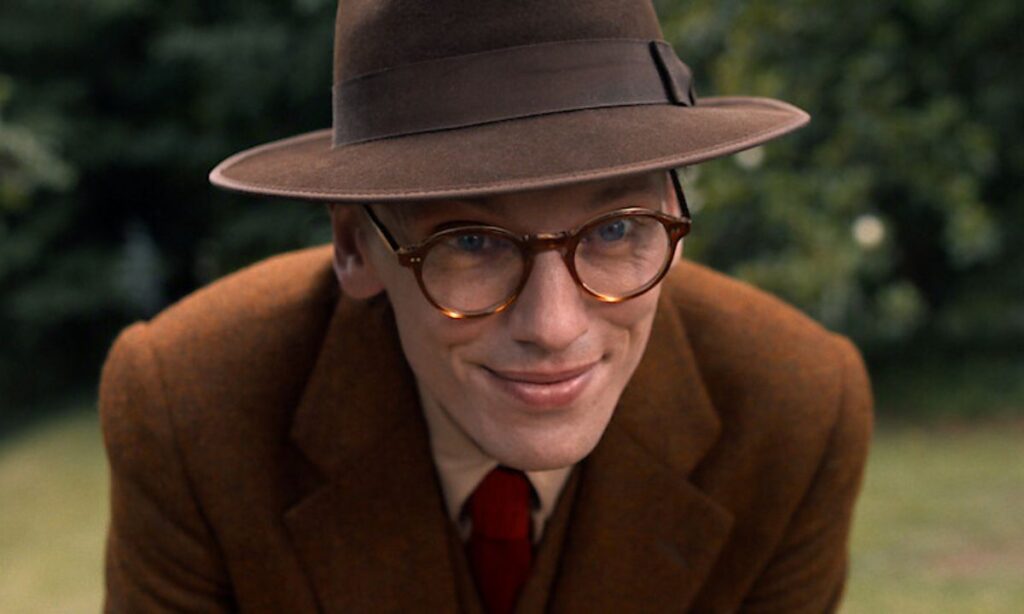
But what made it hit was the final image. Henry taking Holly to his reconstructed home — pristine, eerie, too perfect — is haunting.
The house standing whole again is symbolic. Memory rebuilt. Trauma frozen in time.
It’s effective. But it comes too late to fully save the episode.
Final verdict: A moving plot with stagnant souls
Episode 2 moves pieces across the board.
But the characters themselves don’t move forward.
That’s the problem.
They’ve grown older, but not wiser. Survived horrors, but not evolved emotionally. And while that might be realistic in theory, the show doesn’t explore it deeply enough to justify the stagnation.
Instead, it feels like fear of change.
And for a final season, that’s worrying.I hope Episode 3 proves me wrong.
Because right now, this feels like Stranger Things walking in circles, like they have been hit with a huge writer’s block, proceeding only with nostalgic value.